
Solano
Irvine, California
Scope
Architecture
Square Footage
4,700–5,000 SF
Category
Single Family Conventional
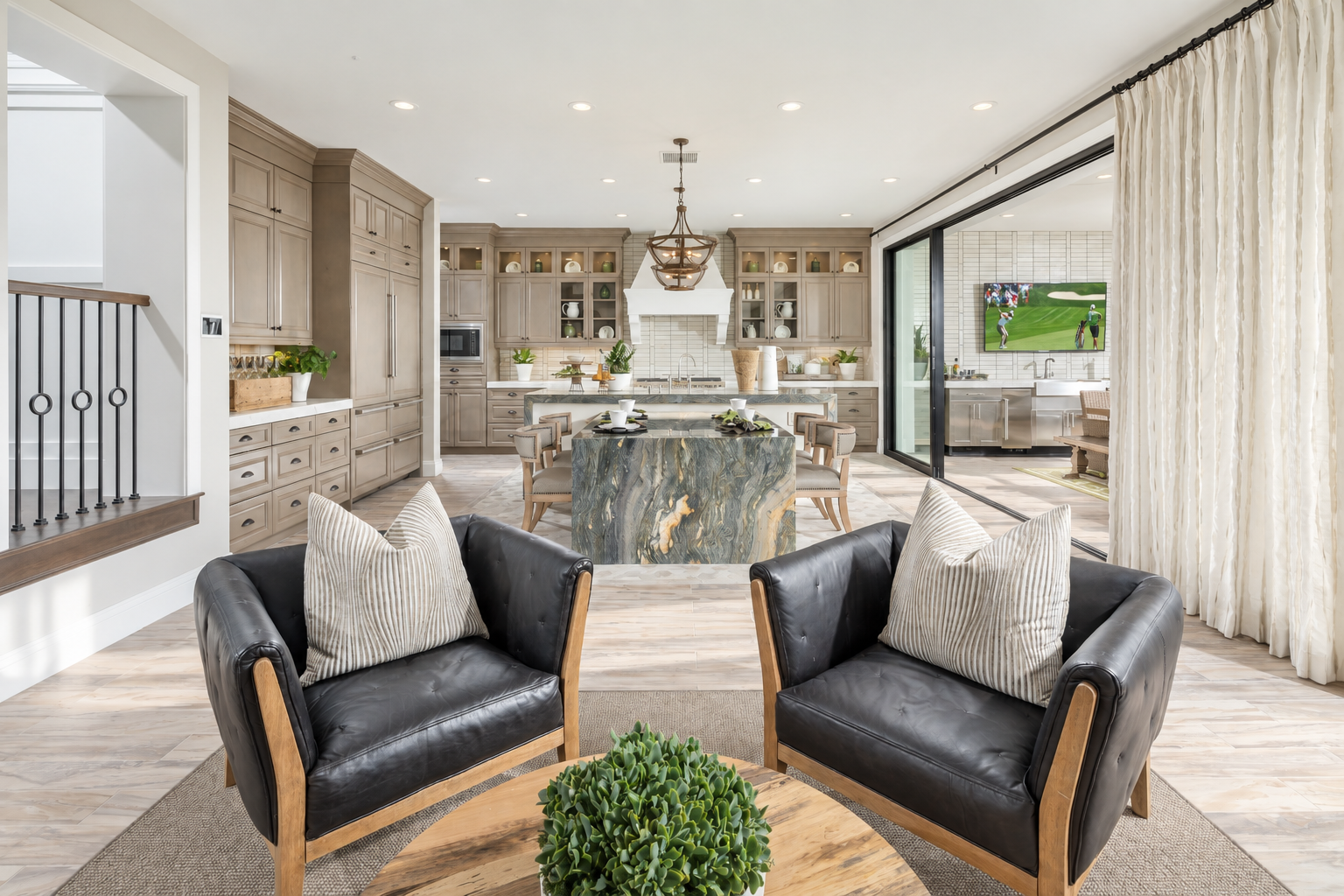
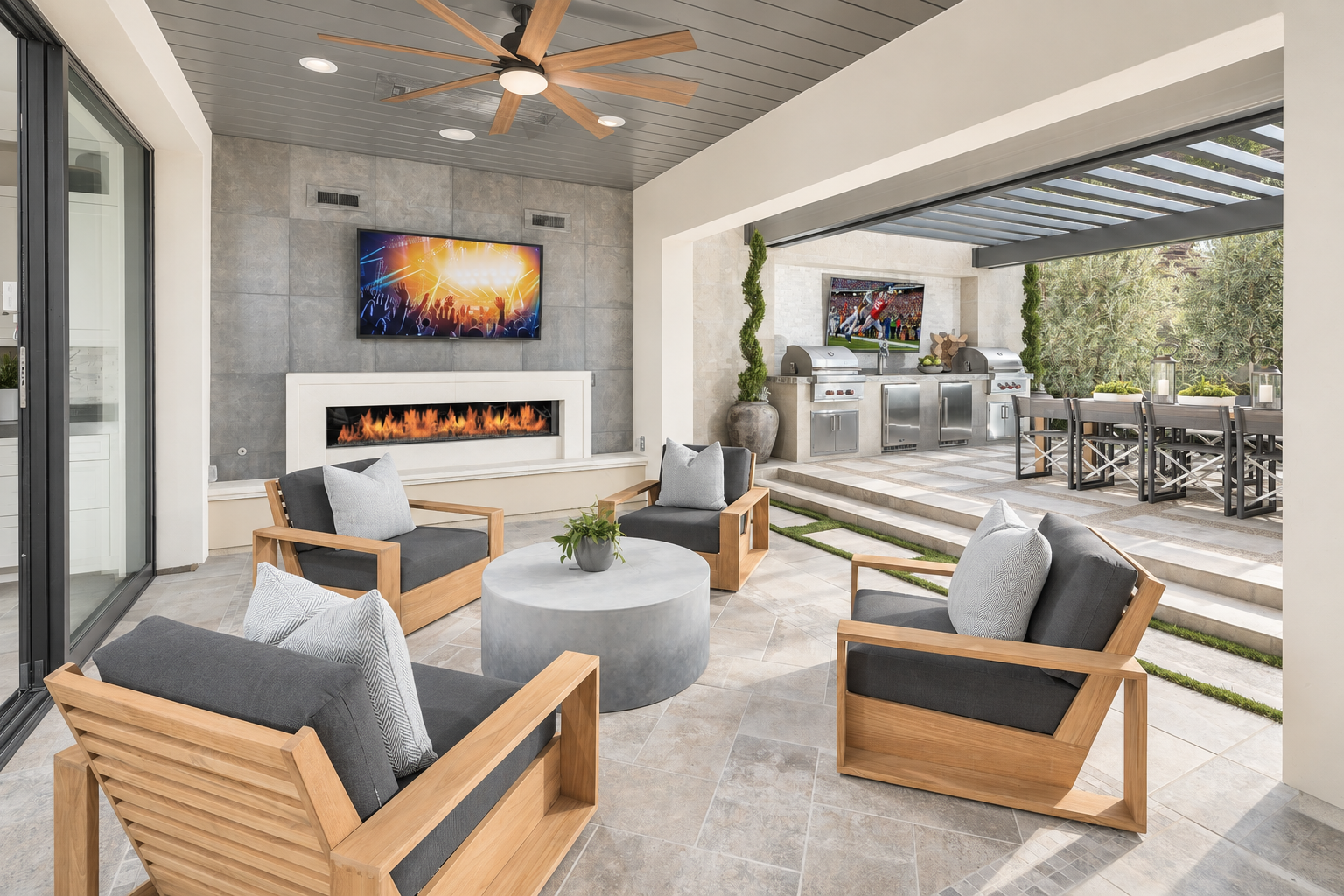
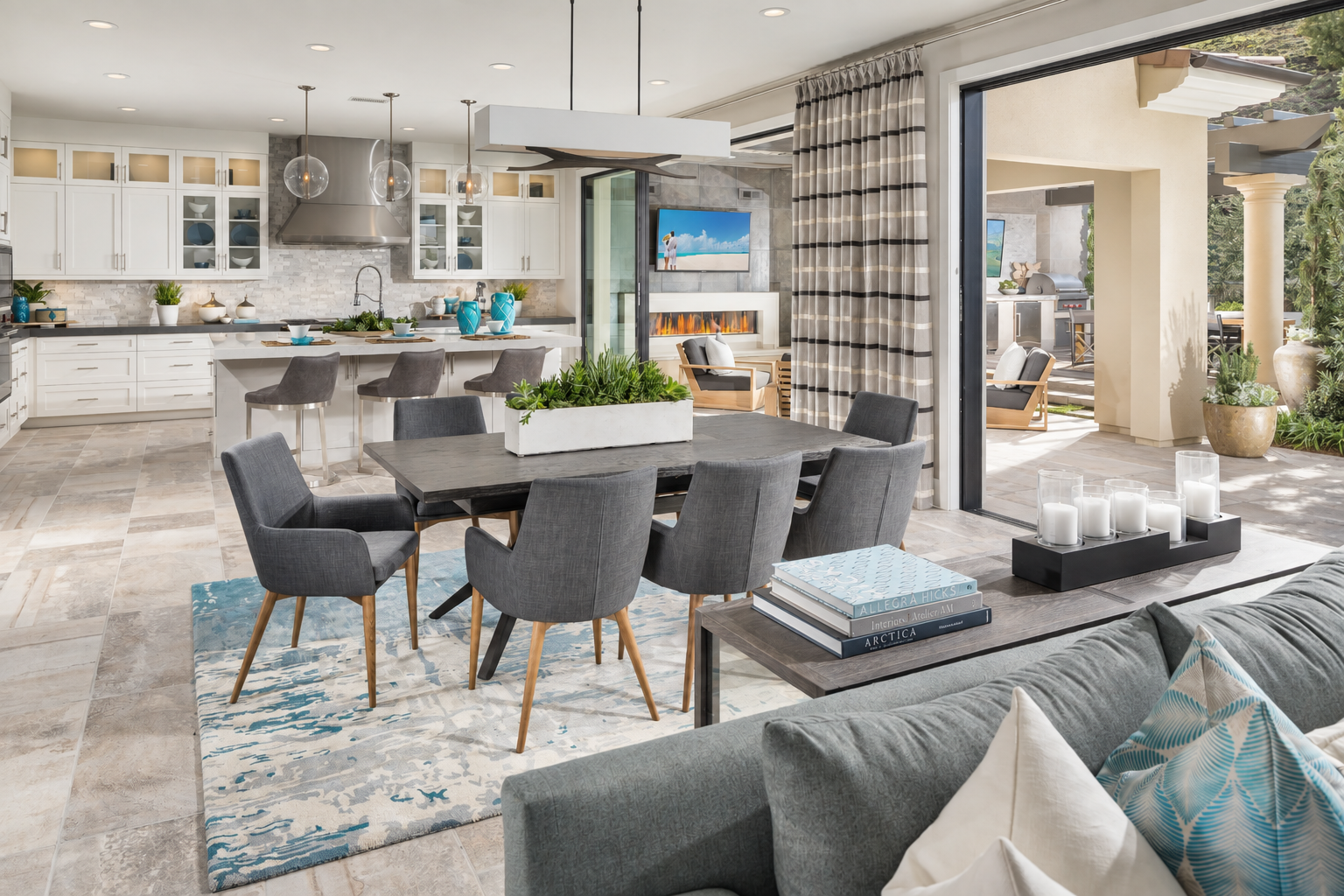
Architecture extends beyond the rooms themselves, unfolding through courtyards, terraces, shaded passages, and generous openings that blur the distinction between interior and open air.
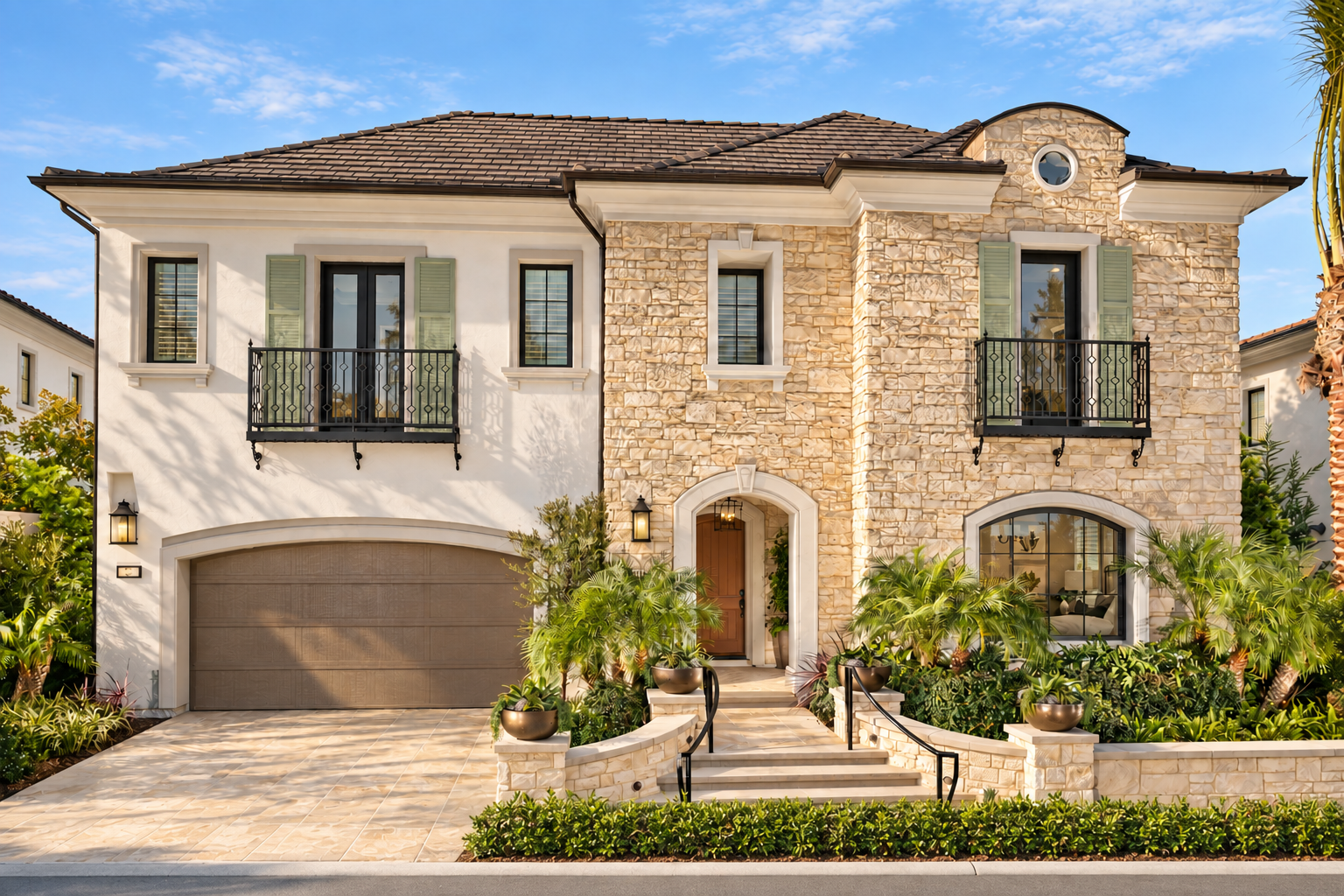
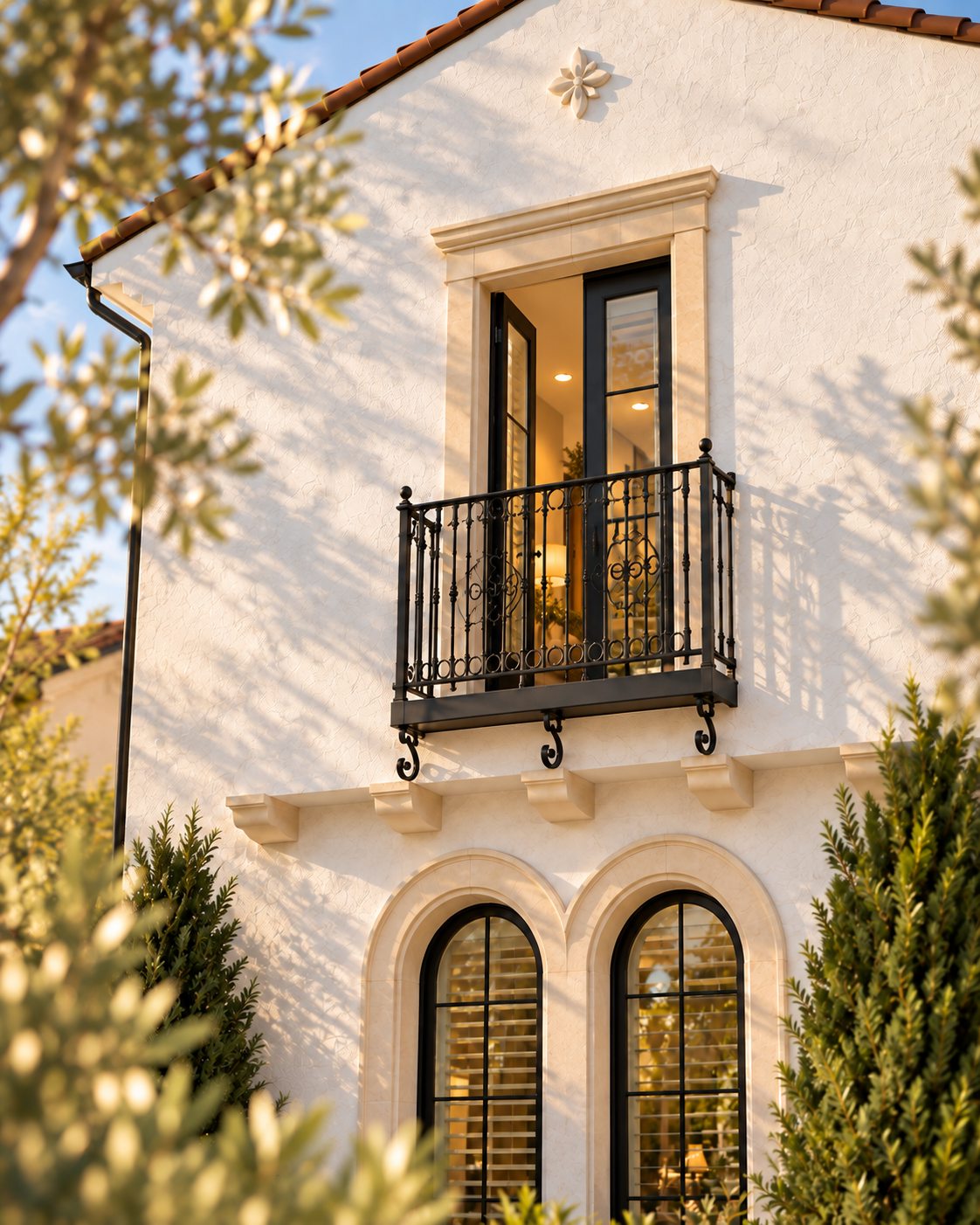
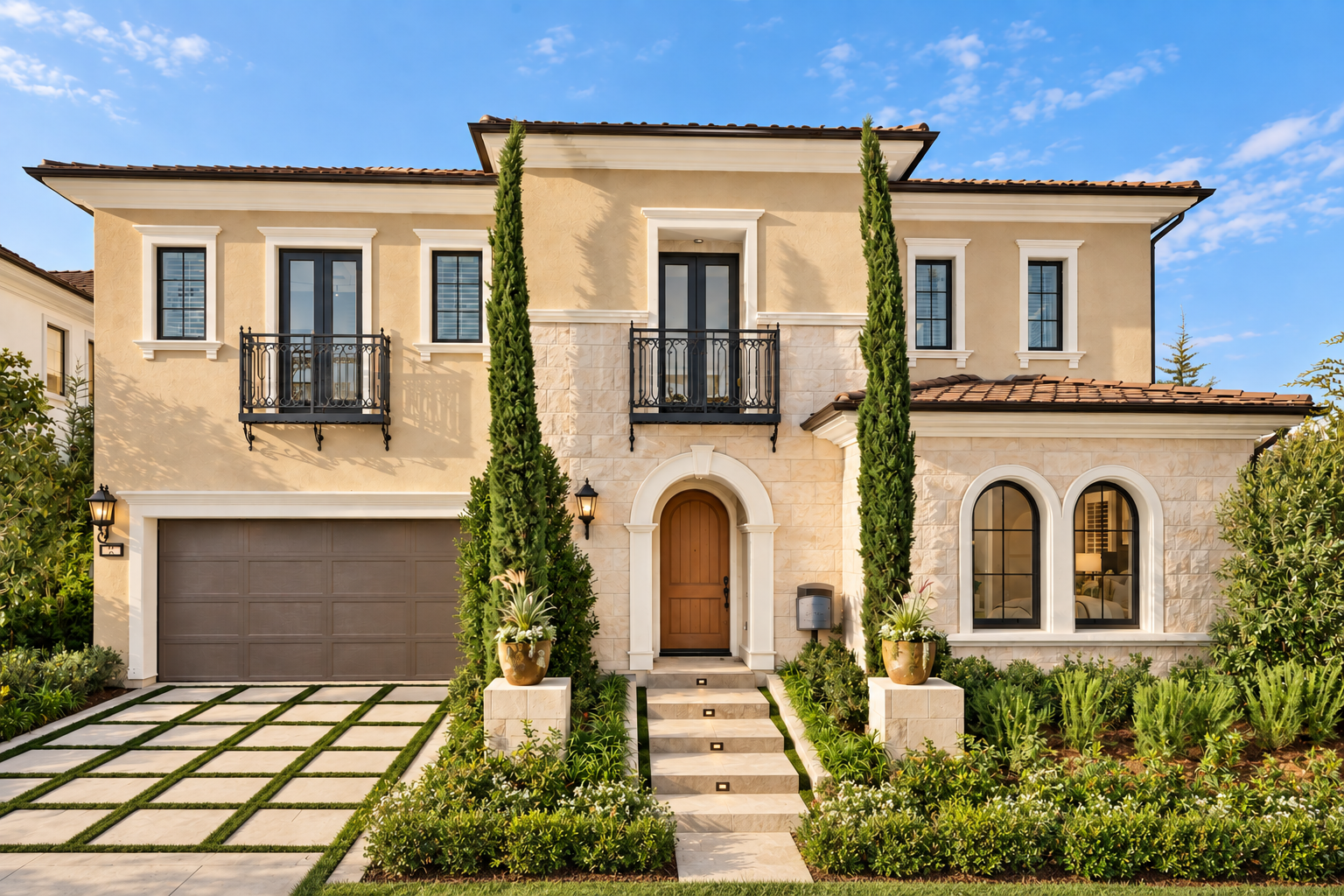
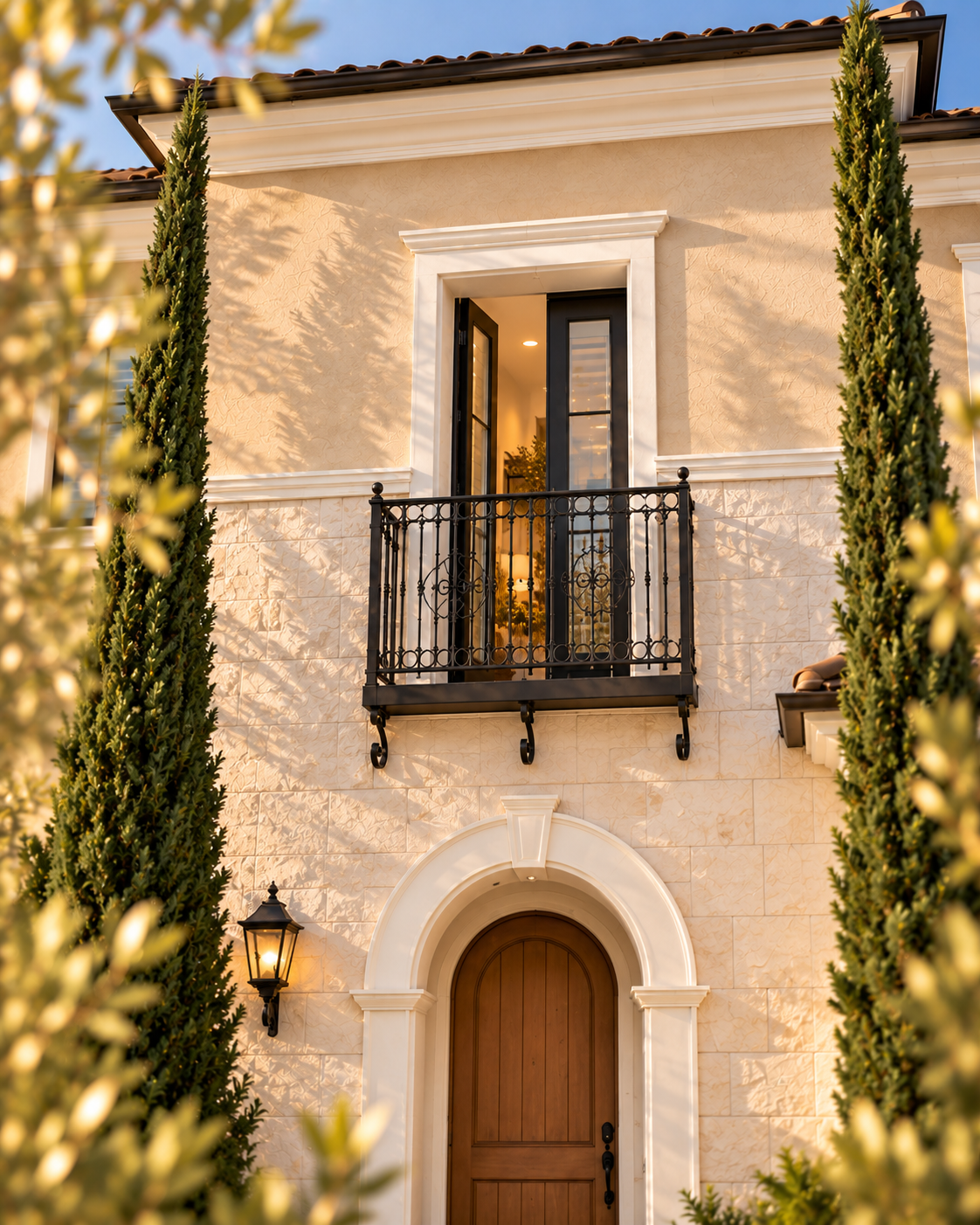
Solano draws on the ease of Southern California living without sacrificing a sense of architectural presence. Along the street, pale stucco, warm stone, clay tile, and dark metalwork are composed into elevations with depth and shadow. Recessed entries and arched openings anchor the architecture, while balconies and upper-level windows temper its scale. Subtle shifts in setback, masonry, and proportion give each residence an individual expression rather than a repeated façade.
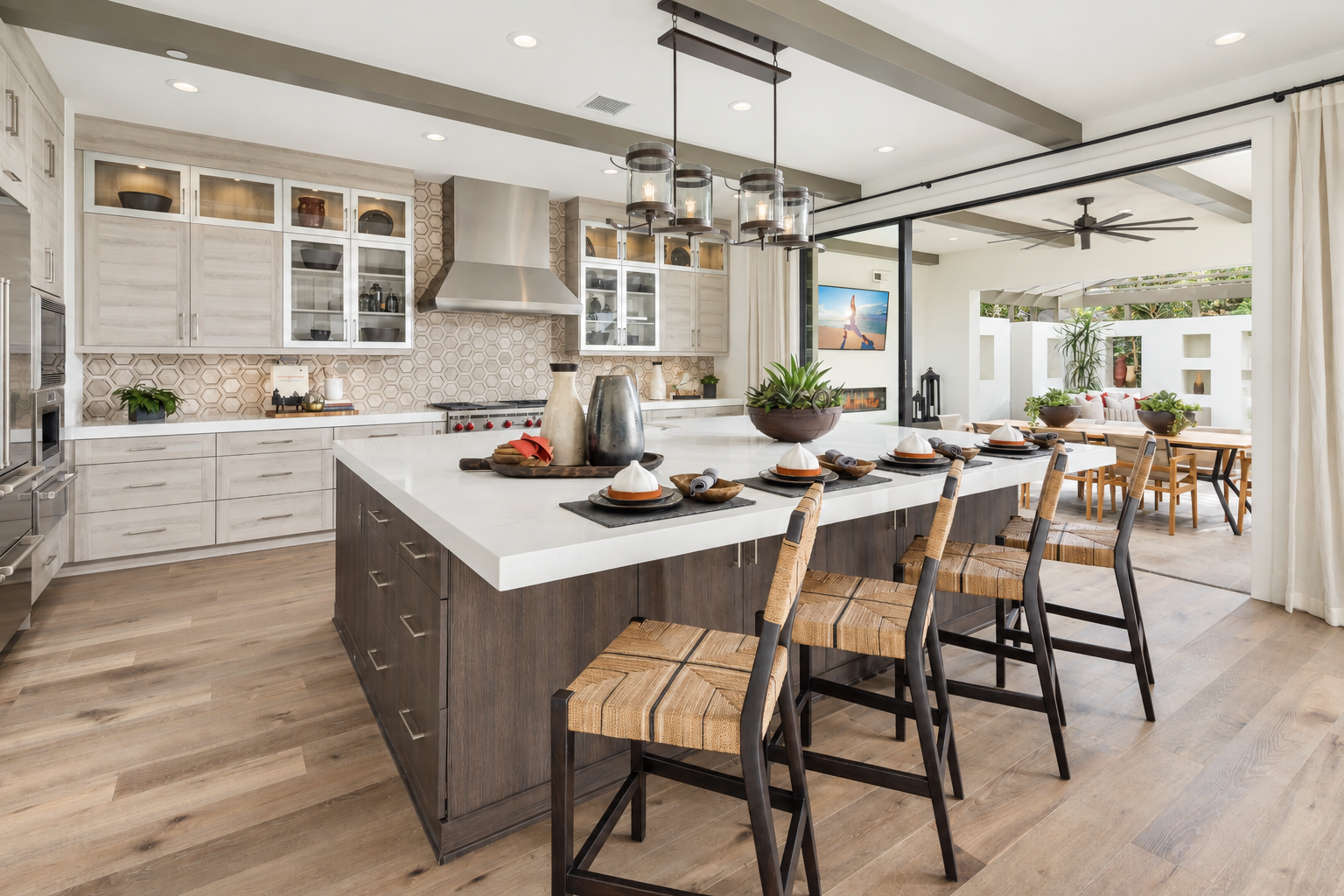
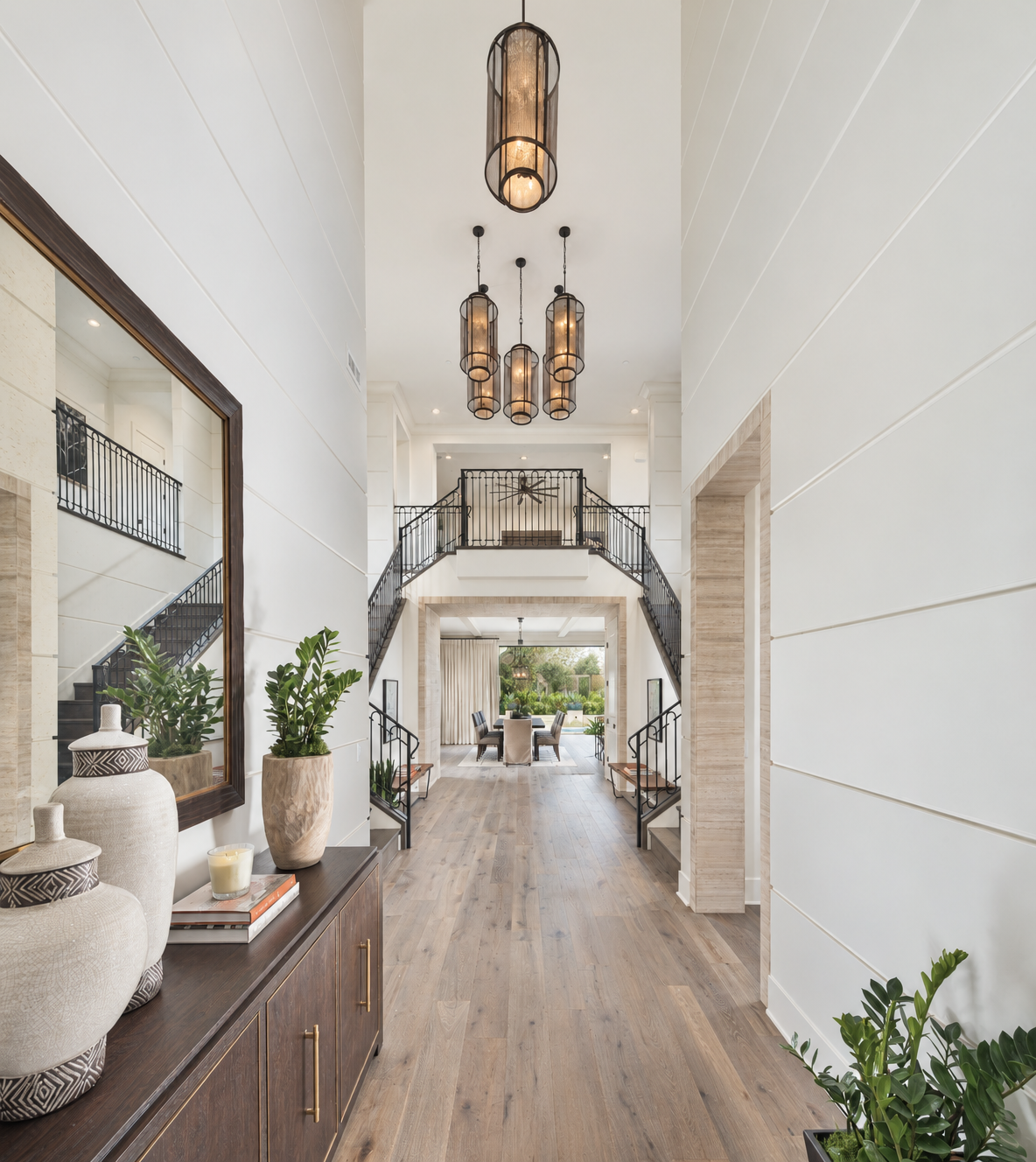
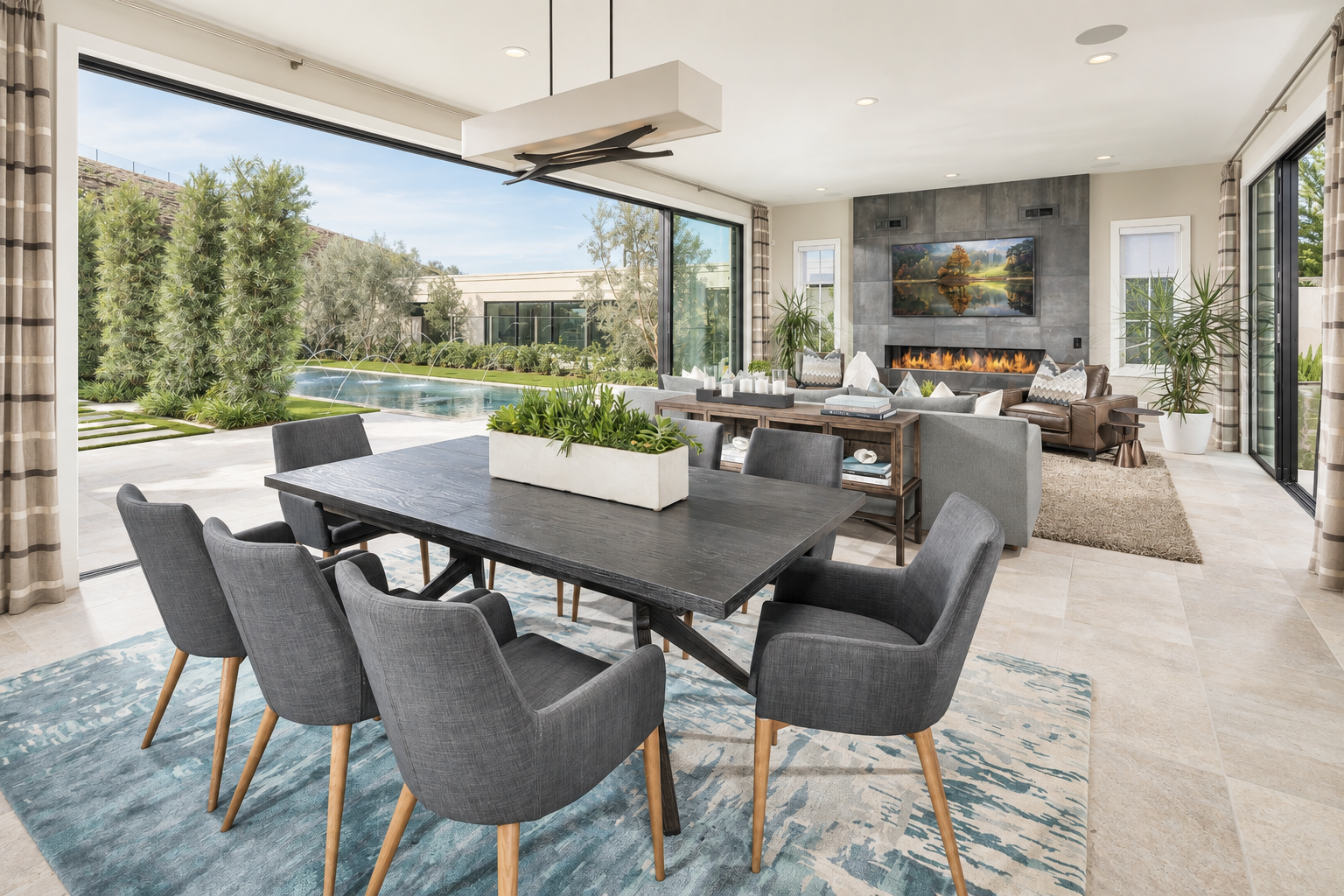
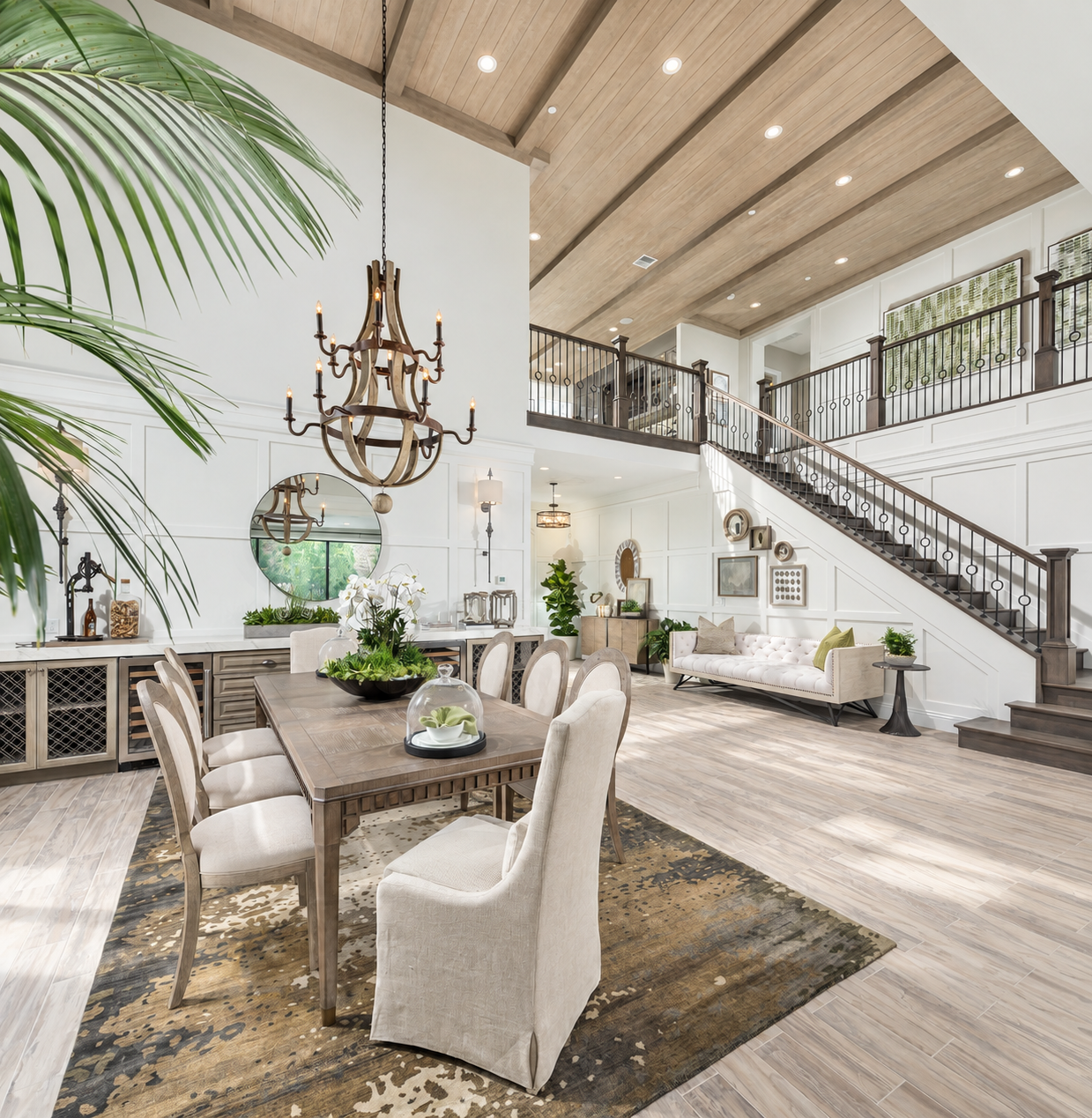
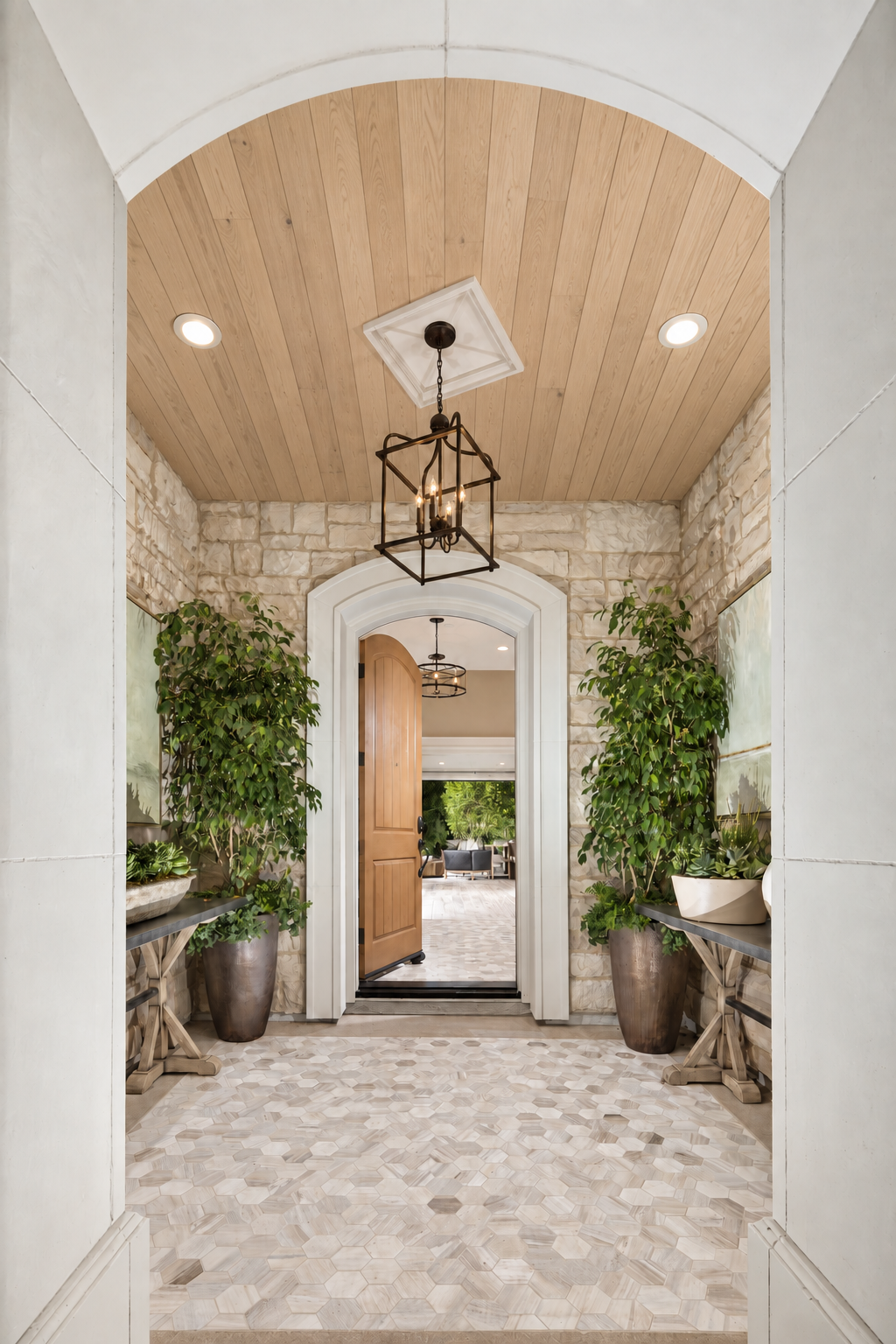
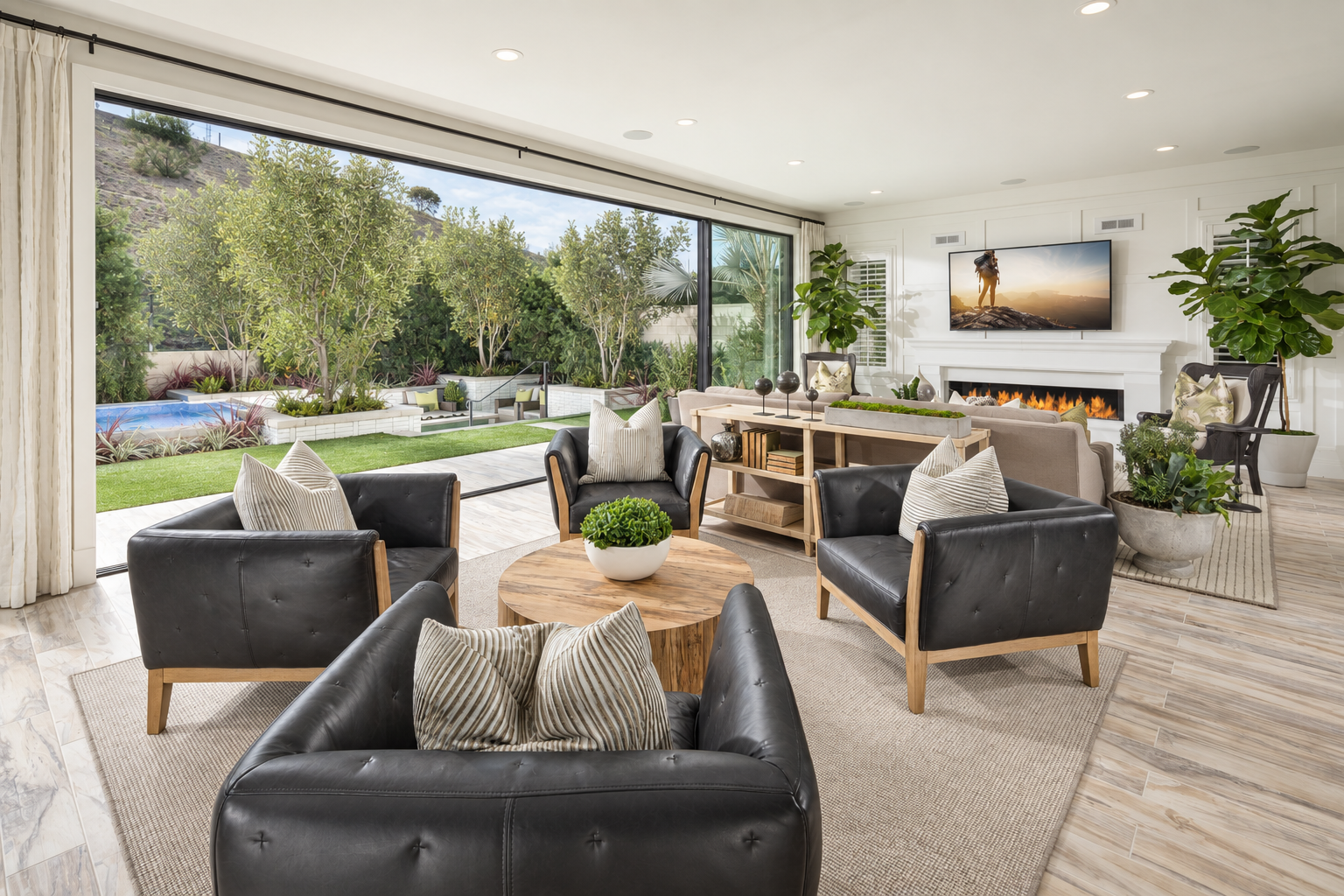
Inside, the architecture gives way to a lighter, more open spatial experience. Vaulted passages and generous stair halls create a gradual sense of discovery, with long sightlines extending through the principal rooms toward courtyards and outdoor spaces beyond. Retractable corners and broad openings allow terraces to become natural extensions of the interiors, drawing daylight deep into the home. Stone, washed wood, darkened metal, and exposed beams bring warmth and texture throughout, while allowing the larger gestures of volume, light, and connection to remain the focus.
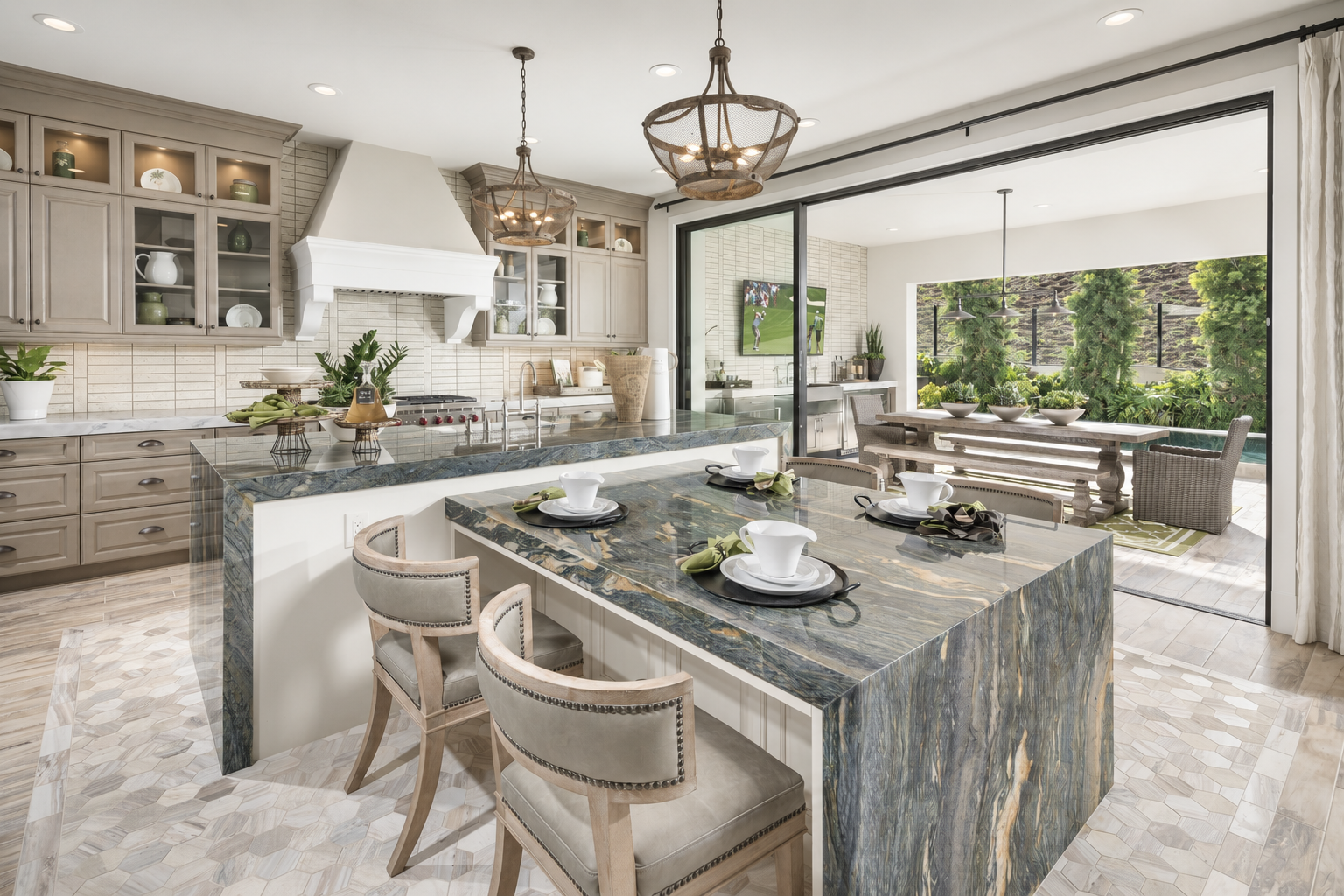
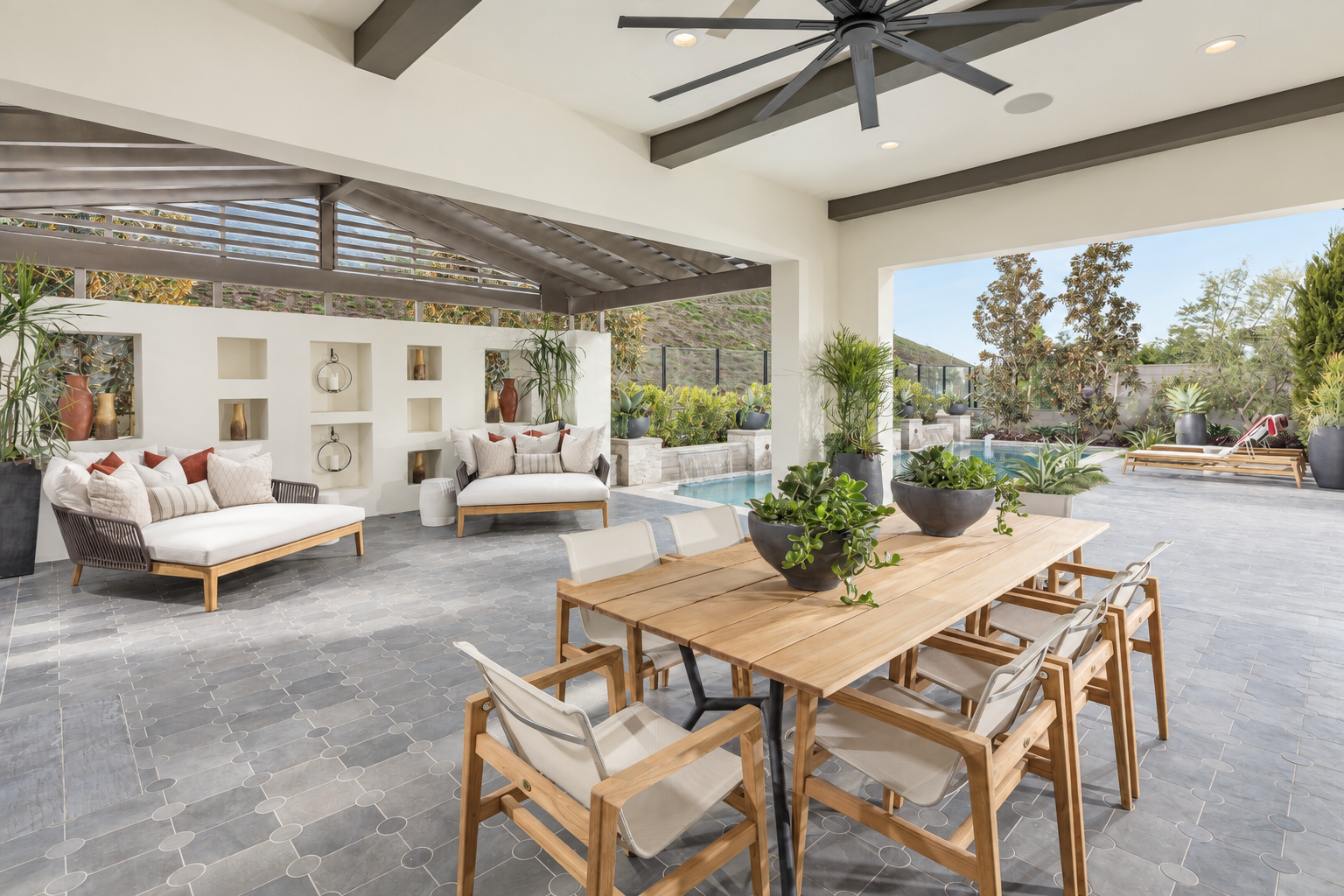
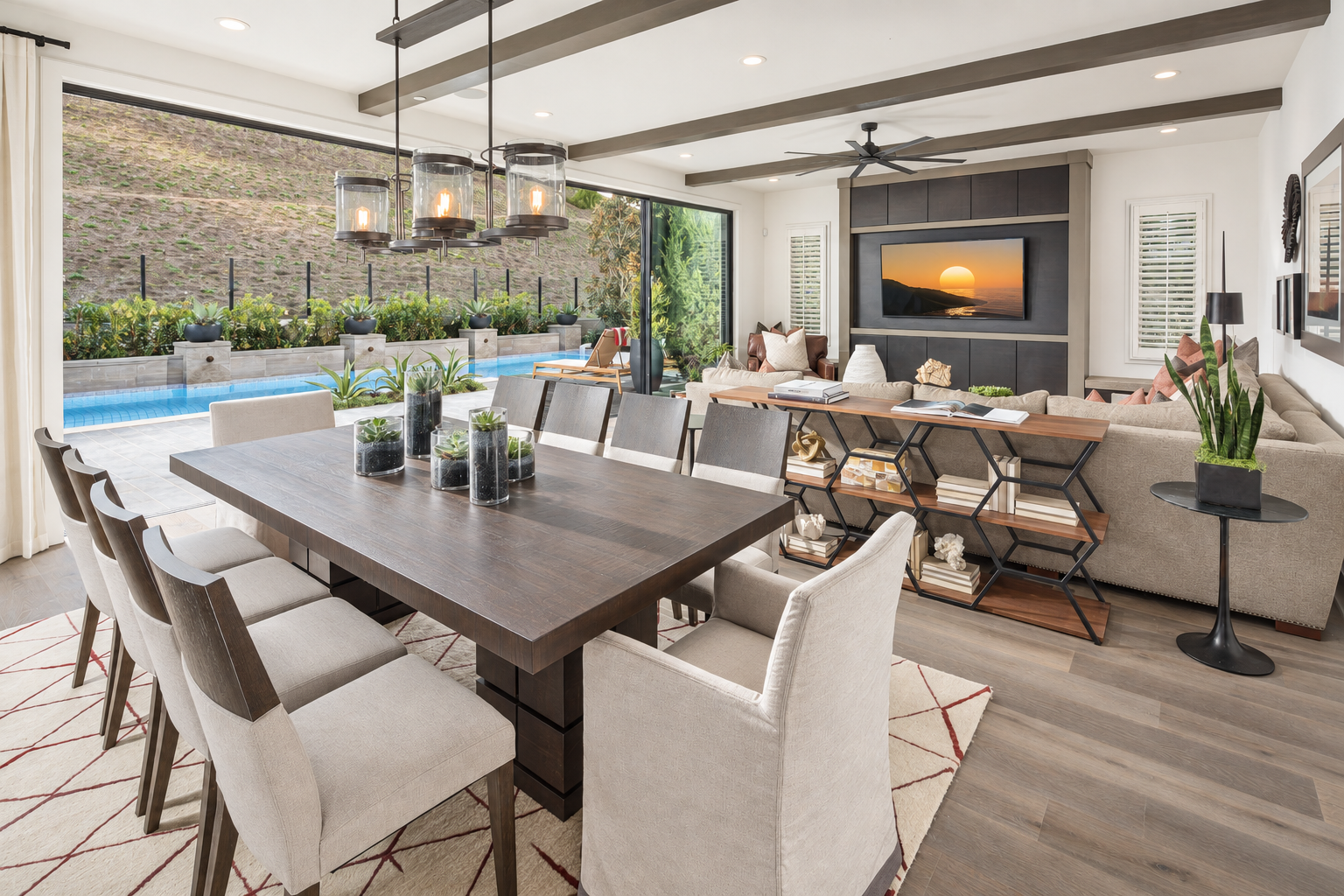
Sheltered yet open to the air, these transitional spaces become an integral part of the architecture, blurring the distinction between interior and exterior.